Protein is one of the most important nutrients your body needs every day. It helps build muscles, supports recovery, strengthens the immune system, and keeps you feeling full for longer. However, many people struggle to get enough protein from their daily meals, especially those following vegetarian or vegan lifestyles. If you are concerned about low protein intake, a plant based protein powder can be a practical and convenient solution.
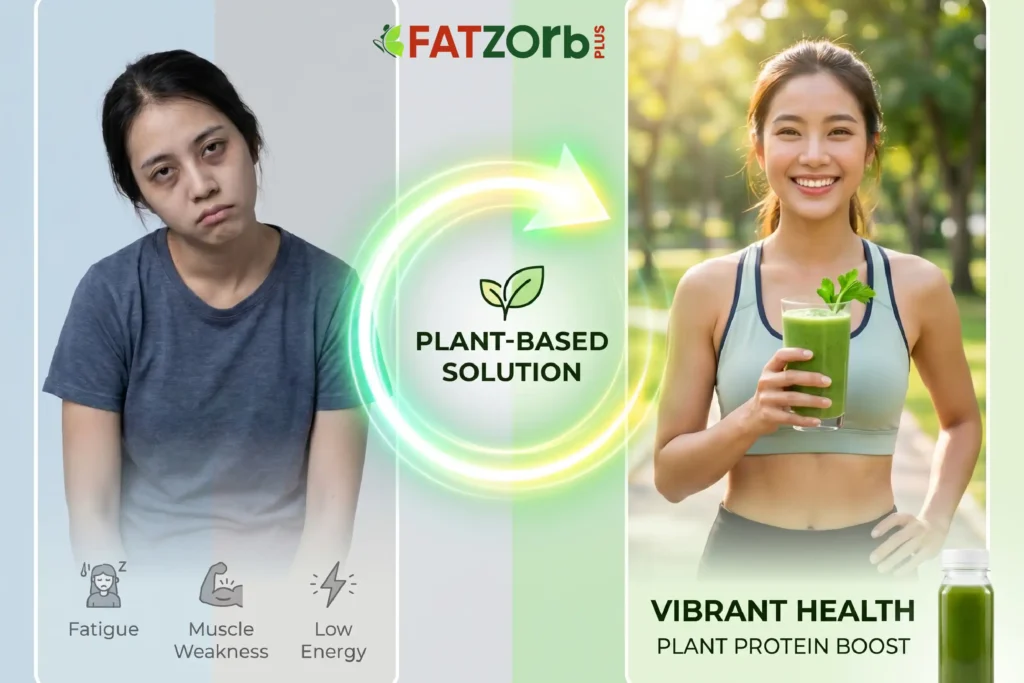
In this guide, we’ll explore the signs of protein deficiency, its causes, and how a plant protein supplement can help support your wellness goals naturally.
Quick Answer: Can Plant-Based Protein Help Prevent Protein Deficiency?
Yes. A high-quality plant based protein powder can help individuals increase their daily protein intake, especially those who struggle to get enough protein from food alone. When combined with a balanced diet, it may support muscle maintenance, recovery, energy levels, and overall wellness.
What Causes Protein Deficiency?
Protein deficiency occurs when your body does not receive enough protein to support its daily functions. While severe deficiency is uncommon in many countries, mild protein insufficiency can affect people without them realizing it.
Over time, inadequate protein intake may impact muscle maintenance, energy levels, recovery, and overall health.
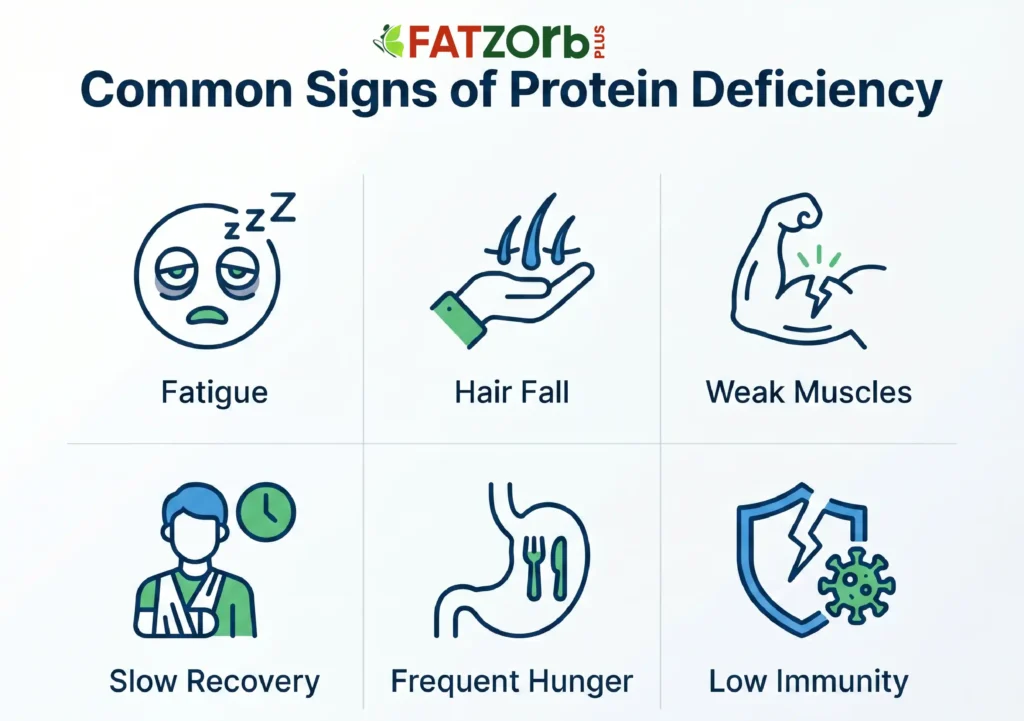
Common Signs of Protein Deficiency
Some of the most common protein deficiency symptoms include:
- Frequent fatigue and low energy
- Muscle weakness or loss of muscle mass
- Slow recovery after exercise
- Increased hunger throughout the day
- Weak hair and brittle nails
- Difficulty maintaining a healthy weight
- Reduced immunity and frequent illnesses
If you notice several of these symptoms, reviewing your protein intake may be beneficial.
Signs You May Need More Protein
✓ Feel hungry soon after meals
✓ Experience slow workout recovery
✓ Notice muscle loss
✓ Frequently feel tired
✓ Have weak hair or brittle nails
✓ Struggle to stay energized throughout the day
✓ Find it difficult to meet fitness goals
Why Is Protein Important?
Protein is made up of amino acids that play a critical role in various bodily functions.
Key Benefits of Adequate Protein Intake
- Supports muscle growth and maintenance
- Helps repair body tissues
- Promotes healthy skin, hair, and nails
- Contributes to immune system function
- Supports metabolism and energy production
- Helps control appetite and cravings
Many health experts recommend spreading protein intake throughout the day rather than consuming it all in a single meal.
According to Research
According to dietary research, many adults fail to meet recommended daily protein intake, particularly those following restrictive diets or highly processed eating patterns. Research also suggests that adequate protein consumption plays an important role in preserving muscle mass, especially as people age.
This highlights the importance of monitoring daily protein requirements and ensuring consistent intake from quality food sources or supplements when necessary.
Why People Choose Plant-Based Protein
The demand for vegan protein powder and other plant-based options has increased significantly as more people seek natural and sustainable nutrition solutions.
Unlike some animal-based protein sources, plant proteins are often easier to incorporate into various dietary preferences and lifestyles.
Advantages of Plant-Based Protein
1. Suitable for Various Diets
Plant-based protein powders are commonly used by:
- Vegans
- Vegetarians
- Flexitarians
- Individuals reducing animal product consumption
2. Convenient Daily Nutrition
Busy schedules can make it difficult to prepare protein-rich meals consistently. A plant protein supplement can help bridge nutritional gaps when needed.
3. Supports Fitness Goals
Whether you’re aiming to maintain muscle mass, recover from workouts, or support healthy weight management, plant protein can be a useful addition to a balanced diet.
4. Easy to Incorporate
You can add plant-based protein powder to:
- Smoothies
- Oatmeal
- Yogurt alternatives
- Pancake batter
- Energy balls
- Homemade snacks
How Plant-Based Protein Can Help Address Low Protein Intake
One of the biggest challenges many people face is consistently reaching their daily protein goals.
A plant based protein powder provides a convenient source of protein that can help individuals increase their daily intake without major dietary changes. By adding a serving to smoothies, breakfast meals, or snacks, many people find it easier to meet their protein goals and support:
- Muscle maintenance
- Exercise recovery
- Daily energy levels
- Satiety and appetite control
- Overall nutritional balance
When used alongside a balanced diet, plant protein can be a practical solution for individuals concerned about protein deficiency.
Plant-Based Protein Sources Comparison
| Protein Source | Protein Per Serving | Suitable For |
| Pea Protein | 20–25g | Vegans & Vegetarians |
| Soy Protein | 20–25g | Muscle Support |
| Brown Rice Protein | 15–20g | Dairy-Free Diets |
| Hemp Protein | 10–15g | Whole Food Nutrition |
This comparison can help you choose the right option based on your nutritional needs and preferences.
What Is the Best Plant-Based Source of Protein?
The best source depends on your goals and dietary preferences.
- Pea Protein: Popular for muscle support and high protein content.
- Soy Protein: Contains all essential amino acids.
- Brown Rice Protein: Suitable for those avoiding soy.
- Hemp Protein: Offers additional fiber and healthy fats.
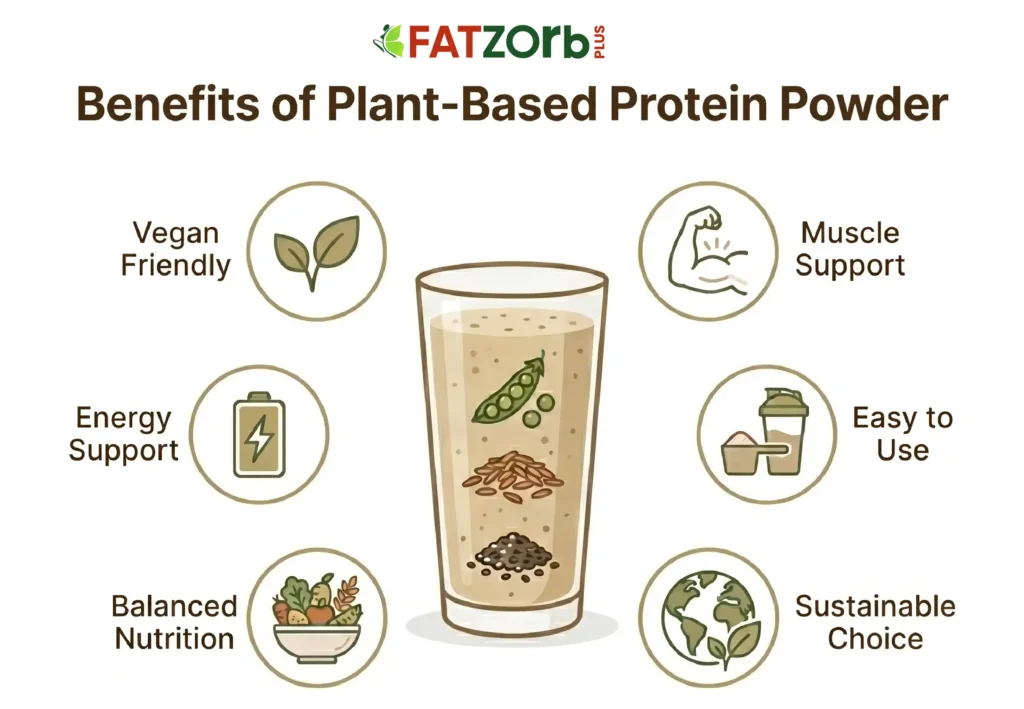
Many modern vegan protein powder products combine multiple plant sources to create a more complete amino acid profile.
How Much Protein Do You Need?
Protein requirements vary depending on age, activity level, body composition, and health goals.
Factors affecting daily protein requirements include:
- Age
- Weight
- Physical activity level
- Fitness goals
- Overall health status
Active individuals often require more protein than those with sedentary lifestyles. Athletes, fitness enthusiasts, and individuals focusing on body composition goals may especially benefit from monitoring their intake.
If you’re unsure about your needs, consulting a healthcare professional or registered dietitian can provide personalized guidance.
Can You Be Protein Deficient Even If You Eat Regularly?
Yes.
Eating regularly does not automatically guarantee adequate protein intake. Some individuals consume enough calories but still fall short of their protein needs if their meals lack sufficient protein-rich foods.
This is especially common among people who rely heavily on processed foods or consume diets low in legumes, nuts, seeds, dairy alternatives, or other protein-containing foods.
How Long Does It Take to Correct Low Protein Intake?
The timeline varies depending on the severity of the deficiency and individual dietary habits.
Many people can begin improving their protein intake within days by adding more protein-rich foods and supplements. However, noticeable improvements in energy, recovery, and muscle maintenance may take several weeks of consistent dietary changes.
Supporting Overall Wellness Naturally
While focusing on protein intake is important, overall nutrition and digestive wellness should not be overlooked.
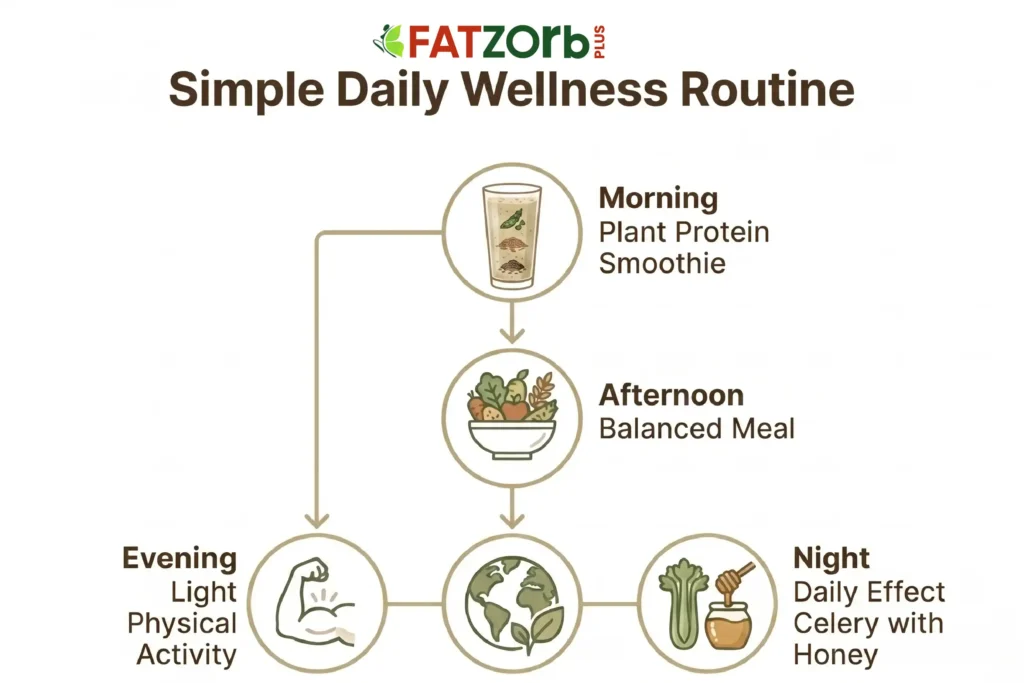
Many people find that combining balanced nutrition with natural wellness products helps them maintain healthy habits more consistently. For example, products like Daily Effect Celery with Honey are often included as part of a wellness-focused routine due to their natural ingredients.
When paired with a nutritious eating plan that includes adequate protein, healthy hydration, and regular physical activity, such additions can support a more balanced lifestyle.
The key is to view wellness as a combination of multiple healthy habits rather than relying on any single product or ingredient.
How to Choose the Right Plant Based Protein Powder
Not all protein powders are created equal.
Protein Content
Look for a product that provides a meaningful amount of protein per serving.
Ingredient Quality
Choose options with simple ingredient lists and minimal unnecessary additives.
Digestibility
Some individuals prefer blends that include ingredients known for easier digestion.
Taste and Mixability
A protein powder is only useful if you enjoy consuming it regularly.
Third-Party Testing
Products that undergo quality testing may provide additional confidence regarding purity and ingredient accuracy.
Best Times to Use Plant-Based Protein
A plant based protein powder can fit into your routine in several ways:
Morning
Starting your day with protein may help promote satiety and support energy levels.
Post-Workout
Many people consume protein after exercise to support muscle recovery.
Between Meals
Protein-rich snacks can help manage hunger and reduce unnecessary snacking.
Evening
A protein-rich evening snack may support daily nutritional goals when overall protein intake is low.
Common Questions About Plant-Based Protein
Is plant-based protein as effective as animal protein?
Many plant-based protein sources can effectively contribute to daily protein requirements when consumed as part of a balanced diet.
Can plant protein help with muscle maintenance?
Yes. Adequate protein intake, combined with resistance training and proper nutrition, supports muscle maintenance and recovery.
Who should consider a plant based protein powder?
Individuals who struggle to meet their protein needs through food alone may find it beneficial, including vegetarians, vegans, athletes, and busy professionals.
Final Thoughts
If you frequently feel tired, struggle with recovery after exercise, or find it difficult to stay full between meals, reviewing your protein intake may be worthwhile.
A quality plant based protein powder can help fill nutritional gaps and support daily wellness goals when used alongside a balanced diet and active lifestyle. Combined with healthy eating habits, regular exercise, and supportive wellness products such as Daily Effect Celery with Honey, it can become part of a sustainable approach to long-term health and nutrition.
Disclaimer
This article is for educational purposes only and should not be considered medical advice. Individuals with specific health concerns should consult a qualified healthcare professional before making dietary or supplement-related decisions.
FAQs
What are the symptoms of low protein intake?
Common signs include fatigue, muscle weakness, increased hunger, slow recovery, weak hair and nails, and reduced immunity.
Is a plant based protein powder good for weight management?
Protein may help increase satiety, which can support healthy eating habits when combined with a balanced lifestyle.
Can vegans get enough protein?
Yes. Many plant foods and vegan protein powder supplements can help vegans meet their daily protein requirements.
How often can I use plant-based protein powder?
Usage depends on your dietary needs and goals. Many people use it daily as part of a balanced nutrition plan.
Can I combine plant protein with other wellness products?
Yes. Many individuals include products like Daily Effect Celery with Honey alongside balanced nutrition and healthy lifestyle practices.